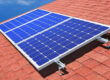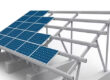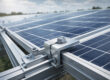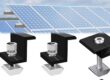


In today’s renewable energy era, installing a rooftop solar PV system is only the first step — what truly ensures long-term performance and return on investment is the quality and durability of the solar rooftop structure itself. A well-designed structure anchors your solar modules securely, handles wind and seismic loads, compensates for thermal expansion, prevents corrosion, and integrates seamlessly with the rooftop substrate. SSP India offers solar rooftop structures built from high-grade aluminium and/or hot-dip galvanised steel, designed for a variety of roof types (concrete flat roofs, sloped tile roofs, tin-sheet roofs) and installation scenarios. sspindia.in+1 Their structures are engineered for ease of installation, minimal roof penetration (important for waterproofing), and compatibility with major module sizes and clamp systems — helping ensure modules stay aligned, secure, and optimally oriented for years to come.
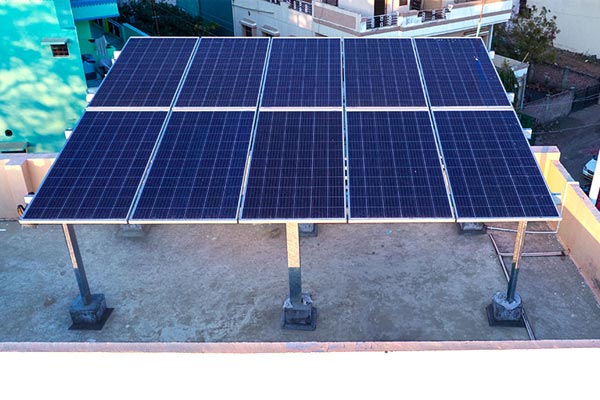
Understanding the site-specific challenges is where SSP India stands out. Their approach includes assessing the roof’s load-bearing capacity, selecting appropriate base plates, ensuring corrosion resistance via aluminium or HDG materials, and providing tailored mounting kits for special roofs (e.g., asbestos roofs, tin sheds). sspindia.in+1 By doing so, they mitigate risks like roof leaks, structural fatigue, and misalignment of panels — which otherwise can reduce energy yield, increase maintenance costs, and compromise safety. In short, a robust solar rooftop structure is foundational to achieving optimal energy generation, structural safety, and reduced lifecycle costs for your solar project.
FAQs on Solar Rooftop Structures
What exactly is a solar rooftop structure?
A solar rooftop structure is the supporting framework or racking system installed on a roof to hold solar panels, secure them against wind/seismic forces, and maintain correct orientation and tilt for optimal energy production.
What materials are commonly used for rooftop solar structures?
Common materials include aluminium alloys (for corrosion resistance and lighter weight) and hot-dip galvanised steel (for strength and durability). SSP India uses both depending on roof type and project conditions.
How do I know if my roof is suitable for a solar rooftop structure?
Factors to consider include roof age, structural load capacity, roof type (flat, sloped, tin sheet, asbestos), waterproofing condition, drainage, and geometry. A good structure manufacturer will assess the site and recommend appropriate anchoring or ballast solutions (especially for non-penetration installations).
What are the key design considerations for rooftop mounting?
Important considerations: wind and seismic loads per local code, module tilt angle, roof drainage and waterproofing, roof tilt and bearing condition, thermal expansion of materials, alignment of rails/clamps, accessibility for cleaning/maintenance, and compatibility with the photovoltaic modules and clamps.
How long do rooftop solar structures last, and how do I maintain them?
With high-quality materials and proper installation, rooftop structures can last 20 years or more. Maintenance includes periodic checks for loose bolts, corrosion, roof leaks around anchors, alignment shifts, and cleaning of surrounding area. Using corrosion-resistant materials from the start simplifies maintenance.
Why choose SSP India for my solar rooftop structure?
SSP India offers customised solutions for a variety of roof types, uses quality materials (aluminium, HDG steel), has experience across large installations and special roofs (asbestos, tin sheds), and ensures engineering support for mounting, alignment and durability.