

Ground Mounted Solar Structure Guide
Solar energy is growing very fast in India. Many industries, farms, and large buildings are installing solar panels to reduce electricity costs. One important part of every solar power system is the Ground Mounted Solar Structure.
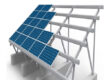
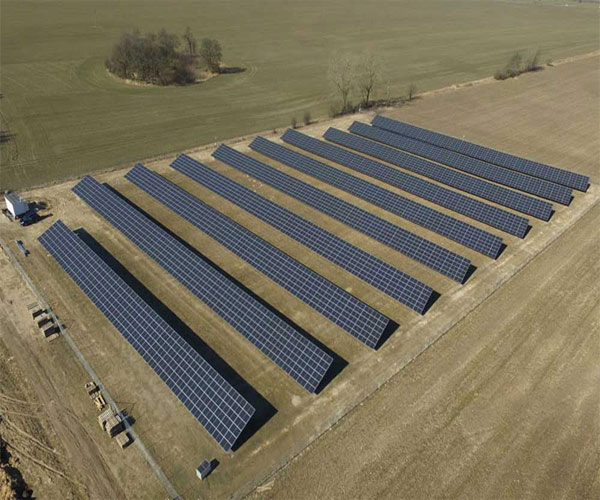
A Ground Mounted Solar Structure is a strong metal frame installed on the ground that holds solar panels safely. It keeps the panels stable, properly angled toward the sun, and protected from wind or weather.
These structures are widely used in solar farms, commercial buildings, factories, and agricultural land where rooftop space is not available or not suitable.
Using a high-quality Solar Ground Mounting System improves the efficiency, durability, and performance of solar power plants and large solar installations.
What is a Ground Mounted Solar Structure?
A Ground Mounted Solar Structure is a specially designed metal support system used to install solar panels directly on the ground.
Instead of placing solar panels on rooftops, this Solar Ground Mounting System holds panels in open land where they receive maximum sunlight throughout the day.
Most solar mounting systems are built using hot-dip galvanized steel or aluminum. These materials provide strong resistance against rust, corrosion, and harsh weather conditions.
A well-designed Ground Mount Solar Panel Structure helps solar panels remain stable and ensures long-term solar power generation.
Ground mounting systems are commonly used for:
• Solar power plants
• Industrial solar projects
• Large commercial buildings
• Solar farms
• Agricultural solar installations
Why Ground Mounted Solar Structures Are Important
Solar panels need strong support and the correct angle to generate maximum electricity. A Solar Panel Ground Mount Structure provides a reliable foundation that helps panels capture more sunlight.
Many solar developers prefer a Ground Mounted Solar System because it allows flexible installation and better performance compared to rooftop solar systems.
Key Benefits
• Maximum sunlight exposure
• Better cooling for solar panels
• Suitable for large solar projects
• Easy maintenance and cleaning
• Strong wind resistance
Because the panels are installed on open land, a Ground Mounted Solar System can capture sunlight more efficiently than crowded rooftop installations.
Types of Ground Mounted Solar Structures
Different solar projects require different mounting systems. Manufacturers design structures based on project size, land condition, and panel layout.
1. Fixed Tilt Solar Structure
This type of Ground Mount Solar Panel Structure keeps the solar panels at a fixed angle. The tilt angle is selected according to the geographic location to capture the best sunlight throughout the year.
Benefits:
- Simple design
- Low maintenance
- Cost effective
- Ideal for large solar farms
2. Adjustable Tilt Structure
Adjustable structures allow the tilt angle of the Solar Panel Ground Mount Structure to be changed based on seasonal sunlight conditions.
Benefits:
- Improved solar energy production
- Flexible installation
- Suitable for medium size solar plants
3. Solar Tracking Structure
Solar tracking systems automatically move solar panels to follow the sun during the day. These systems are advanced forms of Solar Ground Mounting System technology.
Benefits:
- Higher energy generation
- Better sunlight tracking
- Suitable for large solar power plants
However, these systems require higher investment and maintenance.
Materials Used in Solar Mounting Structures
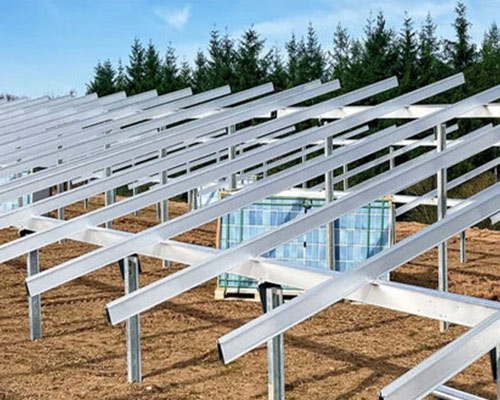
Hot Dip Galvanized Steel
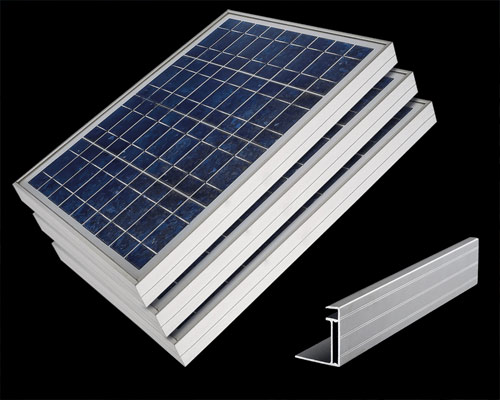
Aluminum Solar Frames
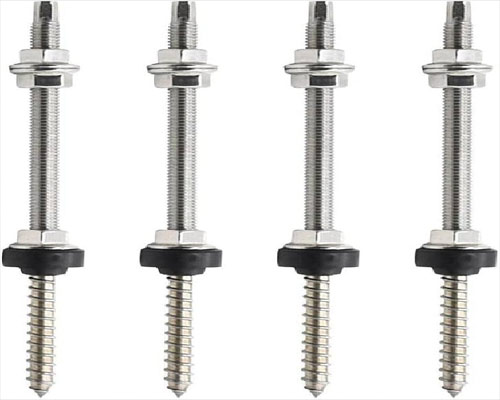
Stainless Steel Fasteners
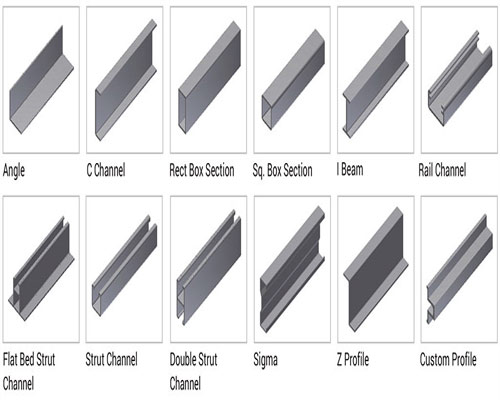
High Strength Structural Components
Components of a Ground Mounted Solar Structure
A Solar Ground Mounting System contains several components that work together to support solar panels.
Main Components
• Foundation or base support
• Vertical support columns
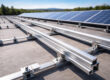
• Mounting rails
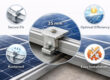
• Solar panel clamps
• Fasteners and bolts
• Tilt angle support brackets
Each component in a Ground Mount Solar Panel Structure must be carefully designed to handle panel weight and environmental pressure.
Installation Process of Ground Mounted Solar Structure
The installation of a Ground Mounted Solar System involves several important steps.
Step-by-Step Process
- Land survey and soil testing
- Designing solar structure layout
- Foundation construction
- Installing mounting frames
- Fixing solar panels on rails
- Electrical wiring and testing
Proper installation ensures that the Solar Panel Ground Mount Structure works efficiently for 25 years or more.
Where Ground Mounted Solar Structures Are Used
A Ground Mounted Solar System is widely used across many industries and sectors.
Common Applications
- Solar power plants
• Industrial factories
• Agricultural solar pumps
• Large commercial buildings
• Government solar projects
• Solar farms and renewable energy parks
These installations require strong engineering support from a reliable Solar Ground Mount Structure Manufacturer.
Problems Solved by Ground Mounted Solar Structures
Many solar installations face challenges such as space limitations, poor panel angle, and difficult maintenance.
A well-designed Solar Ground Mounting System solves these problems effectively.
Problems Solved
- Lack of rooftop space
- Low solar panel efficiency
- Poor panel orientation
- Difficult maintenance
- Weak mounting systems
A properly engineered Ground Mount Solar Panel Structure ensures maximum power generation and long system life.
Components of a Ground Mounted Solar Structure
A Solar Ground Mounting System contains several components that work together to support solar panels.
Main Components
• Foundation or base support
• Vertical support columns
• Mounting rails
• Solar panel clamps
• Fasteners and bolts
• Tilt angle support brackets
Each component in a Ground Mount Solar Panel Structure must be carefully designed to handle panel weight and environmental pressure.
Why Choose a Professional Solar Structure Manufacturer
Choosing the right Solar Ground Mount Structure Manufacturer is important for the success of a solar project.
A trusted Solar Ground Mount Structure Manufacturer provides strong and reliable solar mounting systems designed for long-term performance.
A professional manufacturer offers:
- High quality steel structures
- Accurate engineering design
- Strong wind load capacity
- Corrosion resistant coating
- Long service life
Working with an experienced Solar Ground Mount Structure Manufacturer ensures that the Ground Mounted Solar Structure remains safe, durable, and efficient.
FAQs
A Ground Mounted Solar Structure is a strong metal frame installed on land to support solar panels. It keeps panels stable and properly positioned toward the sun for maximum energy generation.
These structures are used in solar farms, factories, commercial buildings, agricultural land, and large solar power plants where rooftop installation is not suitable.
Most Solar Ground Mounting Systems are made using hot-dip galvanized steel, aluminum, and stainless steel fasteners for durability and corrosion resistance.
A high-quality Ground Mounted Solar System can last around 20 to 25 years or more, depending on the material quality and installation.
A Solar Panel Ground Mount Structure provides better sunlight exposure, easier maintenance, higher efficiency, and strong stability for large solar installations.