

How Clip Lock Solar Structures Prevent Roof Leakage During Installation
Installing solar panels on a metal roof can save space and help industries produce clean energy. But one major concern during rooftop solar installation is roof leakage. If installers drill holes in the roofing sheet, rainwater may enter through weak sealing points over time.
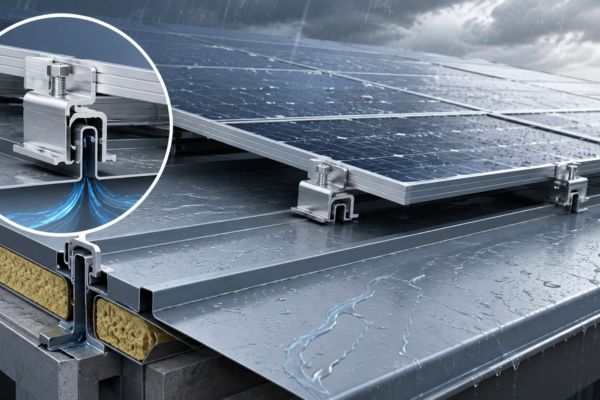
A Clip Lock Solar Structure helps solve this problem by fixing solar panels to suitable standing seam or clip-lock metal roofs without making unnecessary holes in the roofing sheet. Instead of drilling directly through the roof, specially designed clamps grip the roof profile and support the solar mounting system.
This makes clip lock structures useful for factories, warehouses, industrial sheds, commercial buildings, and other metal-roof solar projects.
What Is a Clip Lock Solar Structure?
A Clip Lock Solar Structure is a rooftop solar mounting system designed for compatible metal roofing profiles.
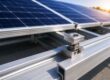
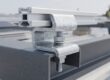
Special clamps are attached to the raised seam or rib of the roofing sheet. Solar rails or mounting components are then connected to these clamps.
The main advantage is simple:
The solar mounting structure can be installed without drilling holes through the main roofing sheet in suitable applications.
This helps maintain roof integrity and lowers the risk of water leakage caused by unnecessary roof penetration.
Why Roof Leakage Happens During Rooftop Solar Installation
Roof leakage does not normally happen because of solar panels themselves. It often happens because of poor mounting methods.
When holes are drilled into a metal roof, every hole becomes a possible water-entry point.
Several problems may cause leakage.
- Incorrect drilling position
- Poor-quality sealant
- Loose fasteners
- Damaged roofing sheets
- Over-tightened screws
- Cracked rubber washers
- Sealant becoming weak over time
- Thermal movement of metal sheets
- Improper installation around roof joints
- Water collecting around mounting points
One small installation mistake may not cause leakage immediately. The problem can appear after months of rain, heat, and roof movement.
This is why many industrial rooftop solar projects prefer mounting methods that reduce unnecessary roof penetration.
How Clip Lock Solar Structures Help Prevent Roof Leakage
The working principle of a clip lock structure is different from conventional drilled mounting.
Instead of fixing the structure through the roofing sheet, the clamp grips a compatible raised roof profile.
Here is how this helps.
No Direct Hole Through the Main Roofing Sheet
This is the biggest advantage.
Traditional mounting may require drilling through the roofing sheet to connect the solar structure with the roof below.
A clip lock mounting system uses a clamp that grips the roof seam or profile.
Because the roofing sheet is not unnecessarily punctured, there are fewer possible paths for rainwater to enter the building.
Roof Waterproofing Layer Remains Better Protected
Many industrial roofs depend on the original sheet joints and overlapping system for waterproofing.
Drilling into these areas can disturb the roof’s existing weather protection.
Clip lock clamps can help preserve the original roofing surface because installation takes place around the raised profile instead of through the main sheet.
This is especially useful for:
- Factory roofs
- Warehouses
- Industrial sheds
- Logistics centres
- Commercial buildings
- Manufacturing plants
Less Dependence on Sealant
A drilled mounting point often needs:
- Rubber washers
- Waterproof sealant
- Fasteners
- Proper tightening
- Regular inspection
Sealants can become hard, crack, or separate from the roof after many years of heat and rain.
A suitable non-penetrating clip lock system reduces dependence on sealant at solar mounting points.
This can make long-term roof maintenance easier.
Reduced Risk of Rust Around Drilled Holes
When coated metal roofing sheets are drilled, the protective coating around the drilled area may be damaged.
This exposed metal can become more vulnerable to corrosion, especially in:
- Coastal areas
- Chemical industries
- High-humidity environments
- Areas with heavy rainfall
- Polluted industrial zones
Clip lock mounting reduces unnecessary cutting or drilling of the roofing sheet.
This helps protect the original roof surface.
Clip Lock Structure vs Drilled Solar Mounting
| Point | Clip Lock Structure | Drilled Roof Mounting |
|---|---|---|
| Roof Penetration | Usually avoided on compatible profiles | Commonly required |
| Leakage Risk | Lower when correctly designed | Depends strongly on sealing |
| Sealant Requirement | Reduced | Often required |
| Installation Speed | Can be faster | May require more drilling |
| Roof Coating Damage | Lower | Possible around holes |
| Maintenance | Usually simpler at mounting points | Sealing points may need inspection |
| Roof Profile Requirement | Must be compatible | Can suit different roof types |
| Clamp Selection | Very important | Fastener selection is important |
Why Clip Lock Structures Are Useful for Industrial Roofs
Industrial buildings often have very large metal roofs.
Imagine drilling thousands of holes in the same roof.
Even if most holes are sealed correctly, a few weak points can create future leakage.
A solar plant on a factory may require hundreds or thousands of mounting points.
A Clip Lock Solar Structure can reduce these roof penetrations significantly when the roofing profile supports this mounting method.
This is one reason why it is commonly considered for:
- Manufacturing plants
- Warehouses
- PEB buildings
- Industrial sheds
- Logistics parks
- Cold storage buildings
- Commercial warehouses
- Distribution centres
How Clip Lock Structures Help Protect Factory Operations
Roof leakage in a home is inconvenient.
Roof leakage inside a factory can be much more serious.
Rainwater may damage:
- Electrical panels
- Machinery
- Raw materials
- Packaging materials
- Finished products
- Office equipment
- Production lines
- Stored goods
Leakage may also create slippery floors and workplace safety problems.
By reducing unnecessary roofing penetrations, the right solar mounting approach can help protect both the roof and the activities taking place below it.
The Importance of Correct Clamp Selection
A clip lock clamp is not a universal product.
Different metal roofs can have different:
- Seam shapes
- Rib widths
- Rib heights
- Sheet thicknesses
- Locking designs
- Profile geometries
The wrong clamp may:
- Grip poorly
- Slip under load
- Damage the roof
- Bend the seam
- Create poor module alignment
- Reduce wind resistance
Why Over-Tightening a Clip Lock Clamp Can Be a Problem
A common mistake during installation is believing that tighter always means stronger.
This is not always true.
Over-tightening may:
- Deform the roof seam
- Damage the sheet coating
- Create local stress
- Reduce clamp performance
- Damage the roofing profile
The clamp should be tightened according to the approved installation requirement.
Proper torque control is important in professional solar mounting work.
Wind Uplift and Clip Lock Solar Structures
Solar panels are exposed to wind.
When strong wind passes around a solar array, it can create an upward lifting force called wind uplift.
This force tries to pull the solar mounting system away from the roof.
Clip lock structures must therefore provide enough grip to resist:
- Wind uplift
- Sideways movement
- Dead load
- Module load
- Vibration
- Weather changes
Designers should consider:
- Project location
- Building height
- Roof height
- Solar module size
- Module orientation
- Wind speed
- Roof edge zones
- Clamp spacing
- Number of clamps
Roof-edge areas may experience stronger wind forces than central areas.
Roof Drainage Should Not Be Blocked
Solar mounting structures should not stop rainwater from moving freely toward roof gutters and drainage points.
Poor installation may trap:
- Leaves
- Dust
- Plastic waste
- Mud
- Bird nesting material
Water can then collect in certain roof areas.
Clip lock structures should be planned so that normal drainage paths remain open.
Clip Lock Structure for Standing Seam Metal Roofs
Standing seam roofing is widely used in industrial and commercial buildings.
The roof sheets have raised seams where sections connect.
A compatible clip lock clamp can grip these raised areas without drilling through the flat roofing surface.
This can provide several benefits:
- Cleaner installation
- Reduced roof penetration
- Faster mounting
- Better roof protection
- Easier maintenance
- Professional appearance
However, compatibility between the clamp and roof seam must always be checked.
Clip Lock Structure for PEB Buildings
Pre-Engineered Buildings, commonly called PEB buildings, are widely used for:
- Factories
- Warehouses
- Manufacturing plants
- Storage buildings
- Industrial sheds
- Logistics facilities
Many PEB structures use metal roofing sheets.
When compatible roofing profiles are available, clip lock solar mounting can be an effective option.
Structural Checks Before Rooftop Solar Installation
Before installing solar panels, the project engineer should check the building structure.
Important points include:
Common Clip Lock Solar Installation Mistakes
Even a good product can perform poorly when installation is incorrect.
Avoid these common mistakes:
- Using the wrong clamp for the roof profile
- Installing clamps on damaged seams
- Over-tightening bolts
- Under-tightening clamps
- Ignoring torque requirements
- Using incorrect clamp spacing
- Ignoring wind load
- Installing without roof inspection
- Blocking roof drainage
- Mixing incompatible metals
- Poor rail alignment
- Installing solar panels on a weak roof
Proper supervision can prevent many of these issues.
How Clip Lock Structures Can Reduce Solar Installation Time
Traditional rooftop mounting may require:
- Marking drilling points
- Drilling the roof
- Cleaning the drilled area
- Installing fasteners
- Adding washers
- Applying sealant
- Checking waterproofing
With a suitable clip lock system, many of these steps may be reduced.
The installer can position, tighten, and connect the mounting system without creating unnecessary holes in the roofing sheet.
For large industrial projects, this may save significant installation time.
Maintenance After Installation
Although clip lock systems can reduce roof penetration, regular inspection is still important.
Check periodically for:
- Loose clamps
- Loose bolts
- Rail movement
- Roof corrosion
- Damaged seams
- Water collection
- Module movement
- Cable damage
- Dirt around drainage paths
Extra inspection is useful after:
- Strong storms
- Cyclones
- Very heavy rainfall
- Building maintenance
- Roof repair work
How Clip Lock Solar Structures Support Long-Term Roof Protection
A rooftop solar plant may remain in service for many years.
The mounting system should therefore protect both:
- The solar modules
- The building roof
Reducing unnecessary holes can help avoid one of the most common long-term risks associated with metal roof modification.
This does not mean that clip lock structures automatically guarantee a leak-free roof.
Performance still depends on:
- Correct clamp selection
- Proper installation
- Roof condition
- Structural design
- Wind-load calculations
- Regular inspection
The complete system needs to work together.
When a Clip Lock Solar Structure May Not Be Suitable
Clip lock structures are useful, but they are not suitable for every roof.
Another mounting method may be required when:
- The roof profile cannot accept a clamp
- The metal sheet is badly damaged
- The seam is too weak
- Structural capacity is insufficient
- The roof design requires direct structural anchoring
- Wind-load requirements cannot be met with the available clamp
- The roofing system is not compatible
Always complete a technical review before selecting the mounting system.
Information Solar EPC Companies Should Check Before Ordering
Before placing a bulk order for clip lock components, solar EPC companies should collect project information.
Roof Information
- Roofing sheet type
- Roof profile drawing
- Seam dimensions
- Roofing material
- Sheet thickness
- Building height
- Roof slope
Solar Module Information
- Module length
- Module width
- Module weight
- Frame height
- Orientation
Project Information
- Installation city
- Wind conditions
- Total capacity
- Number of modules
- Row layout
- Required clamp quantity
One small installation mistake may not cause leakage immediately. The problem can appear after months of rain, heat, and roof movement.
This is why many industrial rooftop solar projects prefer mounting methods that reduce unnecessary roof penetration.
Why Aluminium Is Commonly Used for Clip Lock Components
Aluminium is widely used in solar mounting systems because it offers several useful properties.
Lightweight
It reduces the additional weight placed on the roof.
Corrosion Resistance
It performs well in outdoor conditions when the correct grade and finish are used.
Easy Handling
Lightweight parts are easier to transport and install on rooftops.
Clean Finish
Aluminium mounting accessories provide a neat installation appearance.
Long-Term Use
Suitable aluminium components can provide dependable outdoor service when correctly designed and installed.
Clip Lock Structure and Solar Mounting Rails
Clip lock clamps usually work as part of a larger mounting system.
The complete system may include:
- Clip lock clamps
- Aluminium rails
- Middle clamps
- End clamps
- Nuts
- Bolts
- Rail connectors
- Earthing accessories
- Solar modules
Every part needs to be compatible.
Using good clamps with weak rails or incorrect fasteners can still create structural problems.
How to Select a Clip Lock Structure Manufacturer
A reliable Clip Lock Structure Manufacturer should understand more than just component production.
Before selecting a supplier, check whether they can provide support for:
- Roof profile compatibility
- Clamp dimensions
- Material specification
- Mounting rail selection
- Fastener details
- Project quantity
- Custom requirements
- Bulk supply
- Technical drawings
- Installation guidance
For large rooftop projects, clear technical communication between the manufacturer, EPC company, structural engineer, and installer is important.
Future of Non-Penetrating Rooftop Solar Structures
Industrial rooftop solar projects are becoming larger.
- Faster installation
- Lower roof damage
- Reduced maintenance
- Better waterproofing
- Lightweight structures
- Easier system upgrades
Because of these needs, non-penetrating mounting concepts such as Clip Lock Solar Structures are becoming important for compatible industrial metal roofs.
Future mounting systems may focus even more on:
- Faster clamp installation
- Lightweight aluminium components
- Better wind resistance
- Rail-less mounting
- Optimised clamp spacing
- Improved corrosion protection
- Easier maintenance
- Digital installation planning
Conclusion
Roof leakage is one of the biggest concerns during industrial rooftop solar installation.
Traditional mounting systems may require holes through metal roofing sheets. Every penetration creates another point that must be sealed and maintained.
A Clip Lock Solar Structure reduces this risk by gripping compatible raised roof seams or profiles instead of drilling unnecessary holes through the main roofing sheet.
This can help protect waterproofing, reduce dependence on sealants, support faster installation, and preserve the roofing surface.
However, success depends on using the correct clamp, checking structural strength, considering wind loads, controlling installation torque, and inspecting the roof before installation.
Frequently Asked Questions
A Clip Lock Solar Structure is a mounting system that uses specially designed clamps to fix solar mounting components to compatible metal roof seams or profiles without unnecessary drilling through the main roofing sheet.
They can reduce leakage risk because suitable systems avoid creating additional holes through the roofing sheet. Correct installation and roof compatibility are still important.
No. Roof profiles differ, so the clamp must match the exact seam or rib design.
On compatible roof profiles, the system is designed to reduce or avoid direct penetration of the main roofing sheet.
They can be designed for wind loads, but clamp spacing, grip strength, roof profile, building height, and project location must be considered by the project engineer.
Over-tightening may deform the roof seam, damage the coating, or create stress in the roofing sheet.
Yes, compatible industrial metal roofs, warehouses, factories, and PEB buildings are common applications.