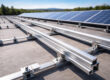


Introduction to Rooftop Mounted Solar Panels
rooftop solar mounting structure are a smart way to produce clean electricity without using extra land. Many homes, factories, and commercial buildings install solar panels on their rooftops to reduce power bills and support green energy. A strong mounting structure keeps solar panels safe and helps them capture maximum sunlight for better performance.
As a trusted rooftop solar mounting structure manufacturer and supplier in Ahmedabad, Gujarat, India, SSP India offers durable and efficient mounting solutions designed for long service life and safe installation in different weather conditions.

Why Choose Rooftop Mounted Solar Panel Systems
Rooftop solar systems are popular because they save space and generate electricity efficiently. Proper installation ensures better energy output and long-term safety.
Key Benefits
• Saves electricity costs for homes and businesses
• Uses unused roof space effectively
• Provides clean and renewable energy
• Reduces carbon footprint and pollution
• Requires low maintenance after installation
• Improves property value
Rooftop solar panels work best when installed in the right direction and angle to receive maximum sunlight during the day.
Important Factors Before Installing Rooftop Solar Panels
Choosing the right mounting structure and checking roof condition is very important for safe solar installation.
Things to Check
• Roof strength and load-bearing capacity
• Direction and tilt angle of solar panels
• Shadow-free area for better energy generation
• Quality of mounting structure materials
• Proper wiring and cable protection
• Wind and weather resistance
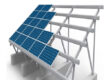
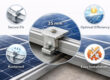
Strong mounting structures are usually made from galvanized steel or aluminum to handle harsh environmental conditions and ensure long-term performance
Types of Rooftop Solar Mounting Structures
Different roofs need different mounting designs to get the best results.
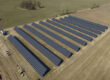
• Structure for flat concrete roof
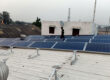
• Mounting system for tin shed roof
• Elevated rooftop solar structure
• Ballasted solar mounting system
• Rail-based mounting structure
• Adjustable tilt solar mounting design
Each structure is designed to provide stability, safety, and easy maintenance.
Step-by-Step Rooftop Solar Panel Installation
Installing solar panels properly helps improve system efficiency and lifespan.
Basic Installation Process
• Roof inspection and measurement
• Selection of mounting structure design
• Fixing mounting frames securely
• Panel alignment and tilt adjustment
• Electrical wiring and inverter connection
• Testing and system commissioning
Correct installation helps panels receive direct sunlight and generate more electricity throughout the year.
Applications of Rooftop Mounted Solar Panels
Rooftop solar systems are suitable for many sectors.
• Residential houses and apartments
• Commercial offices and malls
• Industrial factories and warehouses
• Schools, hospitals, and institutions
• Hotels and shopping complexes
• Solar power generation projects
More About Long-Term Performance and Maintenance
Rooftop solar panels can work efficiently for 25 years or more when installed with a high-quality mounting structure. Regular cleaning, periodic inspection, and proper wiring safety help maintain system performance.
Using corrosion-resistant mounting materials protects the structure from rust, vibration, and strong winds. This ensures smooth energy production and reduces repair costs over time.
Choosing an experienced rooftop solar mounting structure manufacturer and supplier in Ahmedabad helps customers get reliable solutions, faster installation support, and customized solar designs for different building types.
FAQs – Rooftop Mounted Solar Panel
A rooftop mounted solar panel system is installed on the roof of a house, factory, or commercial building. It helps generate electricity using sunlight without using extra land space.
Yes, rooftop solar installation is safe when a strong and properly designed mounting structure is used. Professional installation ensures roof safety and long-term performance.
Electricity generation depends on roof size, panel capacity, sunlight exposure, and system design. A well-installed rooftop solar system can significantly reduce electricity bills.
Solar panels can be installed on concrete roofs, metal sheet roofs, industrial sheds, and terrace areas. Proper mounting design is selected based on roof condition.
Most rooftop solar mounting structures are made from hot-dip galvanized steel or aluminum. These materials provide strength, durability, and corrosion resistance.