

How Hole Diameter Affects Pin Type Anchor Fastener Performance
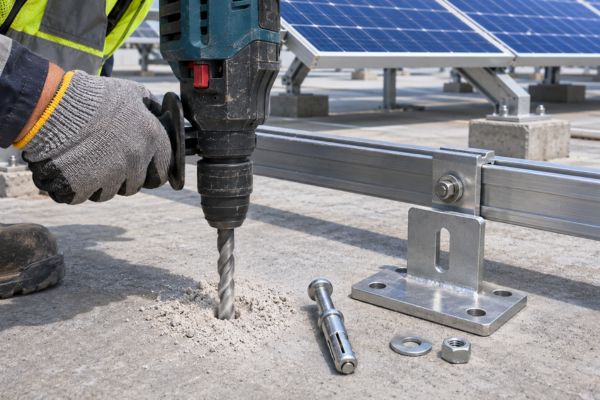
The correct hole diameter allows a pin type anchor fastener to fit and set as designed. An oversized hole can reduce contact with the concrete. An undersized hole can prevent proper insertion or damage the fastener during installation. Always use the drill diameter stated for the exact anchor model.
A fixing may look firm at the surface while having a poor fit below it. This makes drilling accuracy part of the fastening process, rather than a small preparation task.
For contractors and buyers, understanding hole diameter helps reduce installation problems, material waste and repeat work.
How Does a Pin Type Anchor Fastener Work?
Pin type expansion anchors generally use a driven pin to expand part of the anchor body against the surrounding concrete. The exact setting method varies by product, so installers must follow the instructions supplied with the selected fastener.
The drilled hole provides the space in which this expansion takes place. Its diameter, depth and condition affect how the anchor seats.
A product sold under the name “pin type anchor fastener” may differ in design from another supplier’s product. Confirm the anchor construction and installation method before starting work.
What Happens When the Hole Is Too Large?
An oversized hole can leave more clearance around the anchor than its design allows. The expansion section may fail to develop the intended contact with the hole wall.
Possible signs include:
- Movement around the anchor body.
- Difficulty achieving the specified setting position.
- A fixture that shifts during inspection.
- An installation that falls outside the manufacturer’s instructions.
Driving the pin harder does not correct an oversized hole. Adding packing material or an unapproved filler also changes the installation conditions.
Stop and ask the manufacturer or project engineer for an approved remedy before loading the fixing.
What Happens When the Hole Is Too Small?
An undersized hole may stop the anchor before it reaches the required depth. The installer may then try to force the fastener into place.
Excessive force can damage the anchor body or the concrete around the hole entrance. It can also make a partly inserted anchor appear fully seated.
If insertion becomes unusually difficult, check the drill bit, hole cleanliness and specified diameter. Do not assume that a tighter fit means a stronger fixing.
Is Anchor Diameter the Same as Drill Hole Diameter?
Anchor diameter and drill hole diameter are separate specifications. Never choose the drill bit from the product name or threaded size alone.
Manufacturer technical tables may list:
| Specification | What it tells the installer |
|---|---|
| Anchor size | The product size or designation |
| Drill hole diameter | The specified diameter for drilling the concrete |
| Minimum hole depth | How deep the drilled hole must be |
| Effective embedment depth | The working anchorage depth within the concrete |
| Fixture hole diameter | The opening required in the attached component |
For example, fischer’s FH II technical guide lists nominal drill diameter and fixture clearance diameter separately. This shows why the hole in a bracket should not automatically determine the drill size used in concrete. These dimensions are product specific and should not be transferred to another anchor.
Why Can the Correct Drill Bit Still Produce a Poor Hole?
Selecting the specified bit is only one part of accurate drilling. Tool condition and drilling technique also affect the finished hole.
Worn or Damaged Drill Bits
Inspect the cutting tip before use. A worn, chipped or unsuitable bit may fail to produce the required hole geometry.
Sideways Drill Movement
Moving the drill sideways to adjust alignment can widen the hole entrance or produce an uneven hole. Mark the fixing position carefully and maintain the required drilling direction.
Weak Concrete Around the Opening
Broken concrete at the surface can affect how the fixture seats. A damaged opening needs assessment before installation continues.
Dust Left Inside the Hole
Drilling dust can obstruct insertion and reduce the usable depth. Follow the cleaning method specified for the selected anchor, including the required tools and cleaning sequence.
Hole Diameter and Hole Depth Must Be Checked Together
A correctly sized opening does not compensate for insufficient depth. The anchor still needs enough space to reach its specified position and complete the setting process.
Hole depth and embedment depth are also different measurements. Manufacturer instructions may require a drilled hole deeper than the working anchorage depth.
Before drilling, confirm:
- Specified drill diameter.
- Required drilling depth.
- Minimum concrete thickness.
- Fixture thickness.
- Anchor spacing and distance from concrete edges.
- Suitability for the expected load and concrete condition.
These checks help prevent choosing an anchor length that cannot accommodate the fixture and required embedment.
A Practical Installation Checklist
Use this checklist alongside the product’s installation instructions.
- Identify the exact anchor. Check the model, size, material and intended base material.
- Read the technical sheet. Confirm drilling dimensions and setting requirements.
- Inspect the equipment. Check the drill bit and any required setting tool.
- Check the fixing position. Confirm alignment, edge distances and clearance from concealed services.
- Drill and clean the hole. Follow the specified method without widening the opening for convenience.
- Set and inspect the anchor. Complete the prescribed setting process and check the finished fixing before applying load.
A hand check alone does not establish load capacity. Where the project requires inspection or testing, follow the approved procedure.
What Should Buyers Ask a Pin Type Anchor Fastener Manufacturer?
When comparing a Pin Type Anchor Fastener Manufacturer in Ahmedabad, Gujarat or elsewhere in India, ask for installation information along with the quotation.
Useful questions include:
- What drill diameter applies to each anchor size?
- What are the required hole depth and embedment depth?
- Which concrete conditions are covered?
- What load data is available, and under which test conditions?
- What coating or material suits the installation environment?
- Are there restrictions for overhead, vibrating or outdoor applications?
- How should an incorrectly drilled hole be handled?
A lower purchase price offers little value if the installation team lacks the information needed to use the fastener correctly.
Plan the Drilling Requirements Before Ordering
Share the fixture drawing, concrete details, load requirements and installation environment with the supplier before selecting the anchor. This gives the supplier a clearer basis for recommending a suitable product.
For your next project, visit SSP India to enquire about pin type anchor fasteners. Request the technical specifications and installation instructions for the exact size you plan to purchase.
Frequently Asked Questions
Use the drill hole diameter stated in the manufacturer’s technical sheet for the exact anchor model and size. There is no single diameter that applies to every pin type anchor.
Use only the specified drill size. A larger bit changes the hole dimensions and may prevent the anchor from setting as intended.
Possible causes include an undersized hole, drilling dust, insufficient depth or an unsuitable drill bit. Check these conditions before applying more force.
Do not improvise a repair. Obtain an approved solution from the anchor manufacturer or project engineer.
No. Capacity also depends on anchor selection, concrete condition, embedment, spacing, edge distance, load direction and correct installation.
Conclusion
Allen key bolts are useful in solar panel installation because they offer practical tool access and fit many mounting assemblies designed for socket fasteners. However, secure installation depends on choosing the correct bolt and using it properly.
Check the length, thread, material, strength, and tightening instructions before installation. For product enquiries in Ahmedabad, Gujarat, or elsewhere in India, share your solar mounting requirements with SSP India.