

How to Choose the Right HDG Hanger Clamp for Solar Mounting Projects
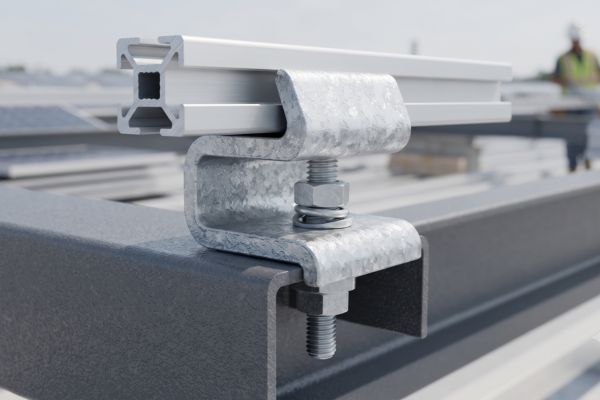
A solar mounting system is made up of many components, and even a small part can affect how securely the overall structure is assembled. One such component is the HDG Hanger Clamp, which is used as part of solar panel mounting arrangements where secure fixing and reliable support are required.
Solar installations remain outdoors for years, facing sunlight, rain, dust, moisture, and changing weather conditions. Because of this continuous exposure, choosing mounting hardware only on the basis of price can create problems later.
The right hanger clamp should match the mounting structure, installation requirements, material specifications, and environmental conditions of the project.
If you are planning a rooftop, commercial, or industrial solar project, this guide will help you understand what to check before selecting an HDG Hanger Clamp and how to choose a reliable manufacturer.
What Is an HDG Hanger Clamp?
An HDG Hanger Clamp is a metal mounting component with a Hot Dip Galvanized (HDG) surface finish.
In the hot-dip galvanizing process, steel is protected with a zinc coating. This protective layer helps reduce corrosion when the component is exposed to outdoor conditions.
For solar mounting applications, hanger clamps can form part of the supporting and fixing arrangement used to keep mounting components securely connected.
The exact clamp design, dimensions, thickness, and fixing arrangement should be selected according to the solar mounting structure and project requirements.
Why Are HDG Hanger Clamps Used in Solar Mounting Projects?
Solar mounting structures are expected to remain outdoors for a long period. Their components may face rain, humidity, dust, temperature changes, and other environmental conditions.
An ordinary untreated steel component can be more vulnerable to corrosion under such exposure.
Hot-dip galvanizing provides a protective zinc layer over the steel surface. This is one of the main reasons HDG components are widely considered for outdoor structural applications.
For a solar project, an appropriately selected hanger clamp can provide:
- Secure structural fixing
- Corrosion protection
- Suitability for outdoor conditions
- Reliable connection with mounting components
- Practical installation
- Long-term support when correctly specified and installed
However, simply choosing any galvanized clamp is not enough. The clamp needs to match the actual mounting system.
Check the Material Before Choosing an HDG Hanger Clamp
Material is one of the first things you should check.
HDG hanger clamps used for structural mounting applications are commonly manufactured from steel and then hot-dip galvanized for additional surface protection.
When discussing your requirement with an HDG Hanger Clamp Manufacturer, ask about the base material as well as the surface treatment.
Do not judge a clamp only by its external appearance. Two clamps that look similar may have different material specifications, thicknesses, dimensions, or coating quality.
For project procurement, it is better to share your technical requirements with the manufacturer before finalizing the product.
Check the Size and Dimensions
A hanger clamp needs to fit correctly within the intended mounting arrangement.
A clamp that is too large, too small, or incompatible with the connected component can create installation difficulties.
Before ordering, confirm details such as:
- Required clamp size
- Material thickness
- Hole dimensions
- Bolt requirements
- Mounting arrangement
- Connected structure dimensions
- Project-specific drawings, where applicable
If your project has a customized solar mounting structure, share the drawings or specifications with the manufacturer.
This is especially important for bulk requirements because a dimensional mismatch across a large order can delay installation at the project site.
Consider the Thickness of the Clamp
Thickness is another factor that should not be overlooked.
The required thickness depends on the clamp design, mounting arrangement, expected loading, and engineering requirements of the project.
A thicker component should not automatically be considered better, and a thinner component should not automatically be considered unsuitable. The correct specification should come from the requirements of the mounting system.
When sourcing an HDG Hanger Clamp, confirm the required thickness instead of making the decision based only on product appearance or price.
Check the Hot Dip Galvanized Finish
One of the main reasons for selecting an HDG clamp is corrosion protection, so the quality of the galvanized finish matters.
Solar installations are continuously exposed to outdoor environments. Moisture and weather can affect unprotected metal components over time.
Before placing a bulk order, discuss the required galvanizing specification and finish with the supplier.
You should also check for obvious surface problems such as poorly covered areas or damage that may affect the intended protection.
For projects with specific engineering or compliance requirements, the coating specification should be confirmed according to the approved project documents.
Understand the Project Environment
Not every solar project operates under the same conditions.
A rooftop solar system in Ahmedabad may have different structural and environmental conditions from a ground-mounted installation in another part of Gujarat or India.
Before selecting a hanger clamp, consider:
- Rooftop or ground-mounted installation
- Local weather conditions
- Moisture exposure
- Industrial environment
- Roof or supporting structure
- Mounting system design
- Expected project life
- Maintenance accessibility
This is why project-specific selection is better than using the same mounting component for every installation without checking compatibility.
Choose the Clamp According to the Solar Mounting Structure
The hanger clamp is only one component of the complete solar mounting system.
It needs to work correctly with the other parts of the structure.
Depending on the project, a solar mounting arrangement can include rails, channels, roof clamps, middle clamps, end clamps, spring nuts, fasteners, base plates, and other supporting components.
Before selecting a hanger clamp, understand how it will connect with the rest of the mounting structure.
This helps avoid problems during installation and ensures that components are selected as part of one complete system rather than as unrelated individual parts.
Do Not Choose an HDG Hanger Clamp Only by Price
Price matters in every solar project, especially when hundreds or thousands of components are required. However, selecting the lowest-priced product without checking specifications can be risky.
A lower quotation may involve differences in:
- Material
- Thickness
- Dimensions
- Galvanizing
- Manufacturing quality
- Fasteners
- Customization
- Quantity
- Packaging or delivery terms
Instead of comparing only the final price, compare quotations using the same technical specifications.
This gives EPC companies, solar installers, contractors, and procurement teams a more accurate basis for making a decision.
Ask for Samples or Technical Details for Bulk Projects
For a large solar project, it can be useful to verify the product before approving the complete quantity.
Depending on the procurement process, you can ask the manufacturer for available technical details, dimensions, drawings, specifications, or a product sample.
This gives the project team an opportunity to check compatibility before bulk production or supply.
A little verification at the beginning can help prevent larger installation problems later.
Common Mistakes When Buying HDG Hanger Clamps
Some procurement mistakes can be avoided with basic technical checks.
Common mistakes include:
- Selecting only according to price
- Not confirming clamp dimensions
- Ignoring material thickness
- Not checking mounting compatibility
- Assuming every HDG clamp has identical specifications
- Ordering bulk quantity without confirming requirements
- Not sharing project drawings with the manufacturer
- Ignoring environmental conditions
- Not discussing galvanizing requirements
How to Choose an HDG Hanger Clamp Manufacturer
Choosing the manufacturer is just as important as choosing the product.
A reliable HDG Hanger Clamp Manufacturer should be able to understand your project requirements and provide clear information about the available product specifications.
Before finalizing a supplier, discuss:
- Material specifications
- Clamp dimensions
- Thickness
- HDG finish
- Required quantity
- Custom requirements
- Solar mounting application
- Packaging
- Production capability
- Delivery requirements
HDG Hanger Clamp Manufacturer in Ahmedabad
Ahmedabad and Gujarat have a growing ecosystem of solar engineering, fabrication, manufacturing, and project-related businesses.
For EPC companies, solar installers, distributors, and project contractors sourcing mounting hardware, working with an HDG Hanger Clamp Manufacturer in Ahmedabad can make communication and project coordination more convenient, particularly for requirements within Gujarat and nearby industrial regions.
Shreeji Engineering provides solar panel mounting accessories, including HDG Hanger Clamps, for solar mounting requirements.
The company is based in Ahmedabad, Gujarat, and its product range includes different components used in solar panel mounting structures.
Project buyers should share their required specifications, quantity, and application details before placing an order so that the appropriate product can be discussed.
Why Quality Mounting Accessories Matter in Solar Projects
Solar modules usually receive most of the attention in a solar installation, but the mounting structure underneath them also plays an important role.
Rails, clamps, fasteners, channels, and other mounting accessories work together to support the installation.
Poorly matched components can lead to installation difficulties, while properly specified components can make assembly and future maintenance more practical.
This is why mounting accessories should be selected as engineering components rather than simply purchased as general hardware.
Conclusion
Choosing the right HDG Hanger Clamp starts with understanding the solar mounting project.
Check the material, dimensions, thickness, hot-dip galvanized finish, mounting compatibility, installation environment, and project specifications before placing an order.
For bulk solar projects, do not make the final decision based only on price. Compare products using the same technical requirements and communicate clearly with the manufacturer about the intended application.
If you are looking for an HDG Hanger Clamp Manufacturer in Ahmedabad, discuss your solar mounting design, required quantity, dimensions, and technical specifications before finalizing the product.
The right component, selected for the right application, can contribute to a more reliable and practical solar mounting installation.
Frequently Asked Questions
An HDG Hanger Clamp is a steel mounting component protected by a hot-dip galvanized zinc coating. It can be used as part of supporting and fixing arrangements in solar mounting structures.
HDG stands for Hot Dip Galvanized. It refers to a process in which steel is coated with zinc to provide protection against corrosion.
Solar mounting components remain exposed to outdoor conditions. HDG hanger clamps provide structural fixing along with a galvanized surface that helps protect steel against corrosion.
Check the clamp’s material, dimensions, thickness, galvanizing requirements, mounting compatibility, application, and project specifications. For engineered solar projects, follow the approved structural design and technical requirements.
Hot-dip galvanized steel is commonly selected for outdoor applications because its zinc coating provides corrosion protection. Suitability for a specific solar project should still be verified against the project’s environmental and engineering requirements.
They can be used where the solar mounting design specifies a compatible hanger clamp. The required size, design, fixing arrangement, and other specifications should be checked before installation.
Confirm the material, dimensions, thickness, finish, quantity, mounting compatibility, technical drawings if applicable, packaging, and delivery requirements before approving a bulk order.
Hot-dip galvanizing provides a protective zinc coating that helps protect steel from corrosion. This makes HDG steel useful for many outdoor applications where untreated steel would have less corrosion protection.
Solar EPC companies, installers, contractors, and distributors can source HDG hanger clamps from solar mounting accessory manufacturers in Ahmedabad. Shreeji Engineering manufactures solar mounting accessories and lists HDG Hanger Clamps within its product range.
Share the required size, dimensions, thickness, material specification, galvanizing requirement, quantity, application, and relevant project drawings. Providing complete information helps the manufacturer understand the requirement more accurately.